Monet in Conversation
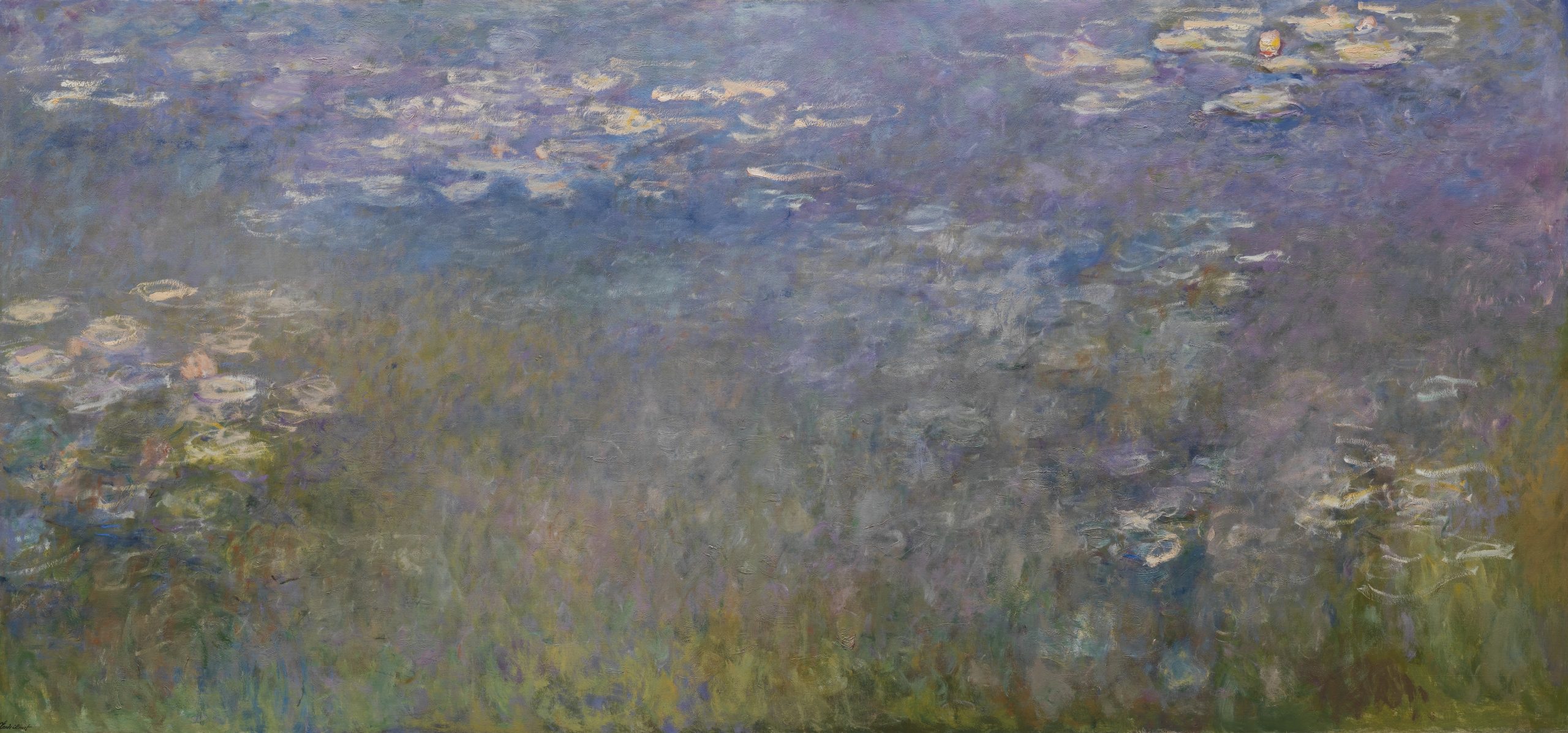
Claude Monet (1840-1926), the luminary of French Impressionism, lent the movement its name with his painting Impression Sunrise (Musée Marmottan, Monet, Paris), which debuted in Paris at the inaugural 1874 exhibition of Impressionist artists. Uniting its practitioners through his innovative approach as one of the first artists to practice painting “en plein air” (outside), he was obsessed with capturing nature’s changing elements such as natural light, and atmosphere. Monet elevated this technique by painting in series, exemplified by the museum’s beloved Water Lilies, which records the subject at different times of the day.
This ongoing focus exhibition series, “Monet in Conversation,” delves into Monet’s dual role as influencer and influenced. This iteration focuses on the theme of Reflections of Nature: Monet’s Water Lilies and Art Nouveau. These artistic “conversations” that will change annually will unfold as a visual dialogue, illuminating the reciprocal influence between Monet and fellow artists or subjects, encapsulating the essence of transformative artistic exchange.
Reflections of Nature: Monet’s Water Lilies and Art Nouveau
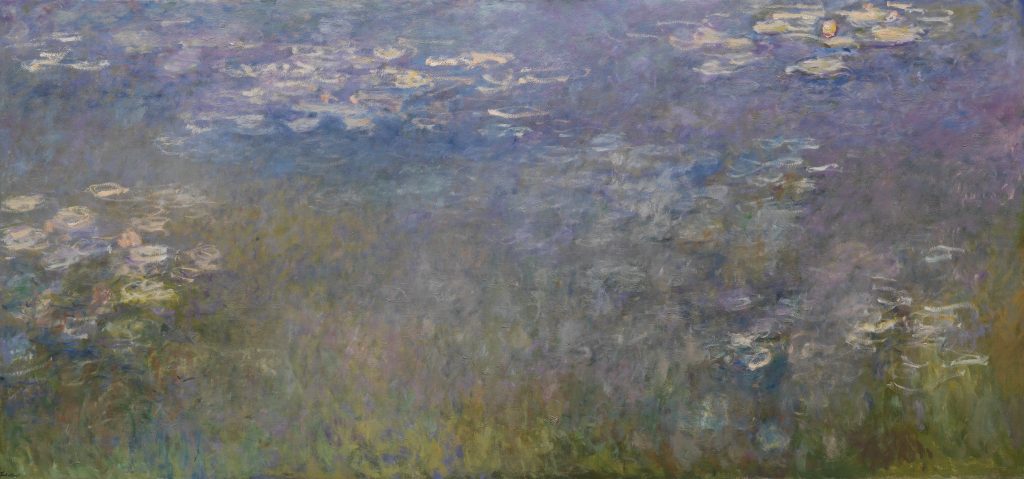
Claude Monet’s (1840–1926) luminous Water Lilies, painted between 1915 and the artist’s death in 1926, is often seen as the culmination of Impressionist painting. But this focus exhibition invites a fresh perspective—placing Monet’s masterpiece in conversation with a select group of works on paper and decorative arts from the Art Nouveau period, which flourished across Europe between 1890 and 1910.
Although he was not part of the Art Nouveau movement, Monet’s late work shares its spirit. His fluid brushwork, lack of horizon, and dissolving forms mirror the movement’s embrace of organic rhythm, asymmetry, and nature as muse. Like Art Nouveau designers, Monet blurred the line between subject and surface, inviting viewers into a space of sensory immersion.
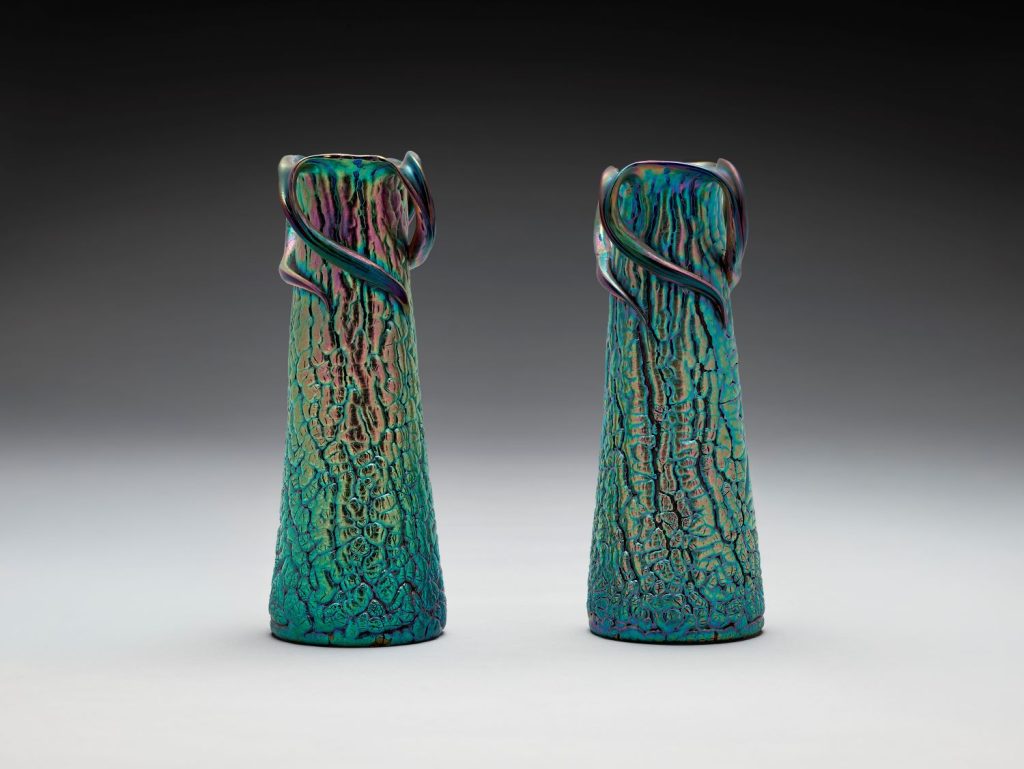
This installation brings Monet’s Water Lilies into dialogue with works by Alphonse Mucha, Émile Gallé, and other Art Nouveau artists who transformed everyday objects—posters, glassware, ceramics—into expressions of natural beauty. All drew inspiration from the same source: the living world, reimagined through line, light, and form. Together, these works reveal a shared visual language between fine art and design, inviting viewers to see not only how Monet painted nature—but how his work became nature in visual form.
Organized by The Nelson-Atkins Museum of Art.
Trace Mucha’s influence through the generations in Timeless Mucha
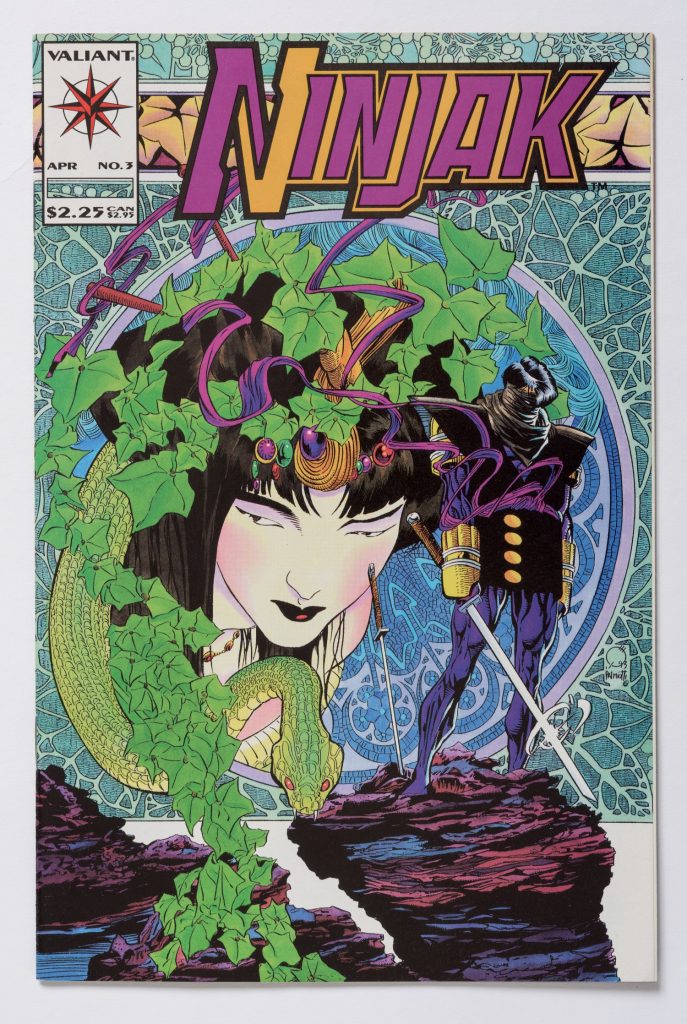
The special exhibition Timeless Mucha, on view April 18-Aug. 30, explores Alphonse Mucha’s enduring influence across generations of artists — from Art Nouveau and advertising to 1960s psychedelia to contemporary homages in Japanese manga and American comics.